
Work
About

Work
About
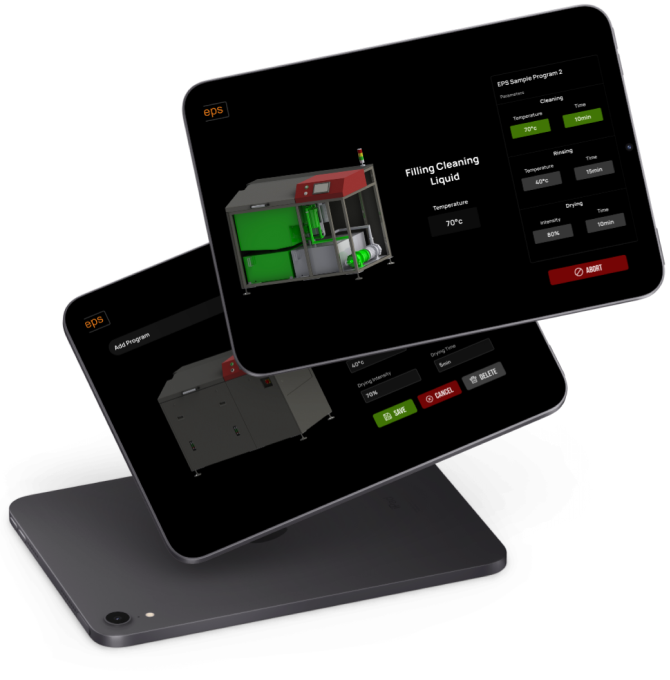

Re-designing human-machine interface for air agitation cleaning machine which is used in Electronics industry for stencil and pallet cleaning.
Scope
Design and Development of Android based human-machine interface
Team Size
3
Role
Team Leader (HMI design and development)
Problem.
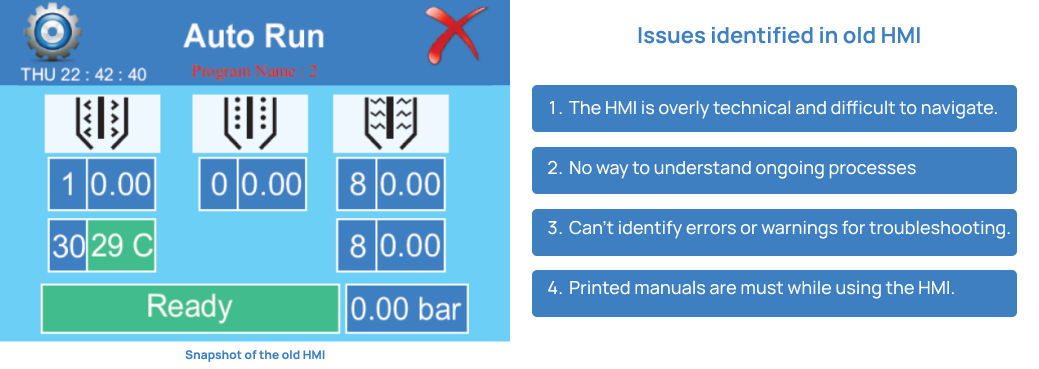
The touch screen HMI was antiquated and difficult to use, resulting in numerous complaints from clients about its inefficient design and operation.
To address the issues related to the outdated human-machine interface (HMI), we conducted multiple brainstorming sessions involving all stakeholders. The aim of these sessions was to gain a comprehensive understanding of their grievances and concerns. As a result of these collaborative discussions, we successfully identified several key issues that needed to be addressed.
Solution.
Having thoroughly understood the clients' grievances, we zeroed in on several key ideas to improve the HMI.
1. Instead of using standard HMI units, we decided to use Android tablets due to their high-resolution screens and versatility in UI development.
2. We aimed to simplify the user interface as much as possible to minimize the need for printed manuals during operation.
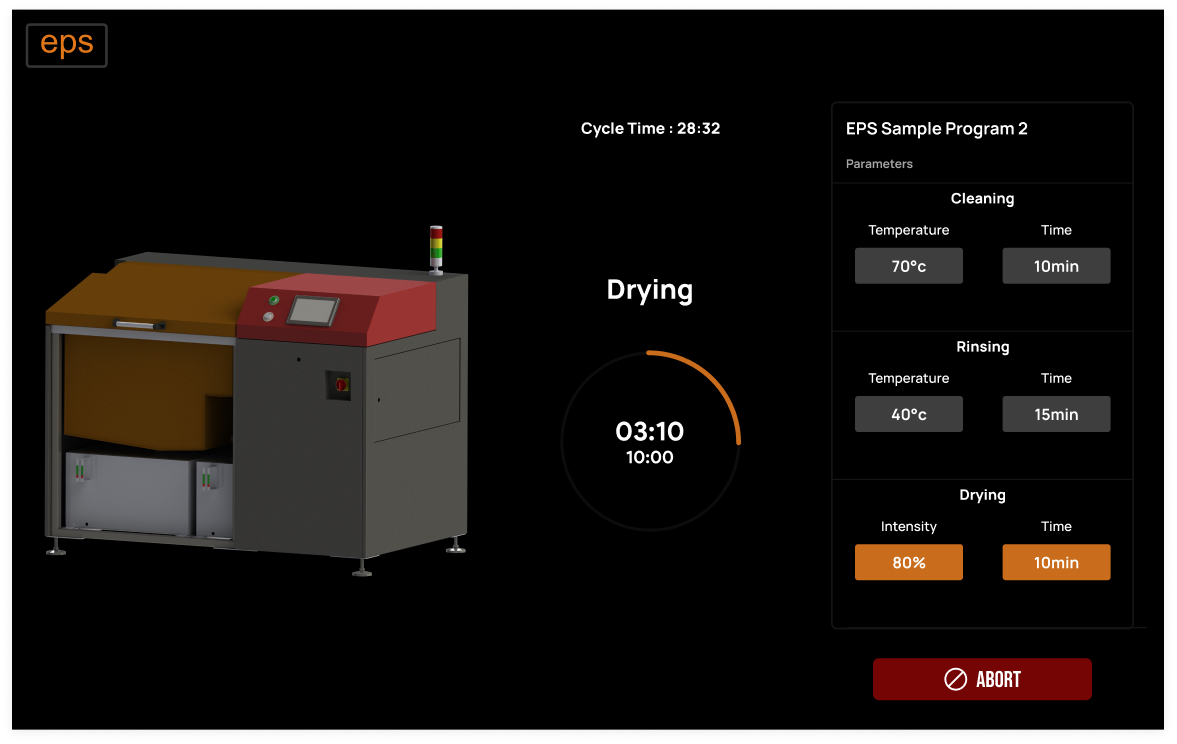
3. We incorporated pictorial representations of the machine on the UI to make it easier for operators to understand ongoing processes and identify errors or warnings for troubleshooting.
HMI Structure.
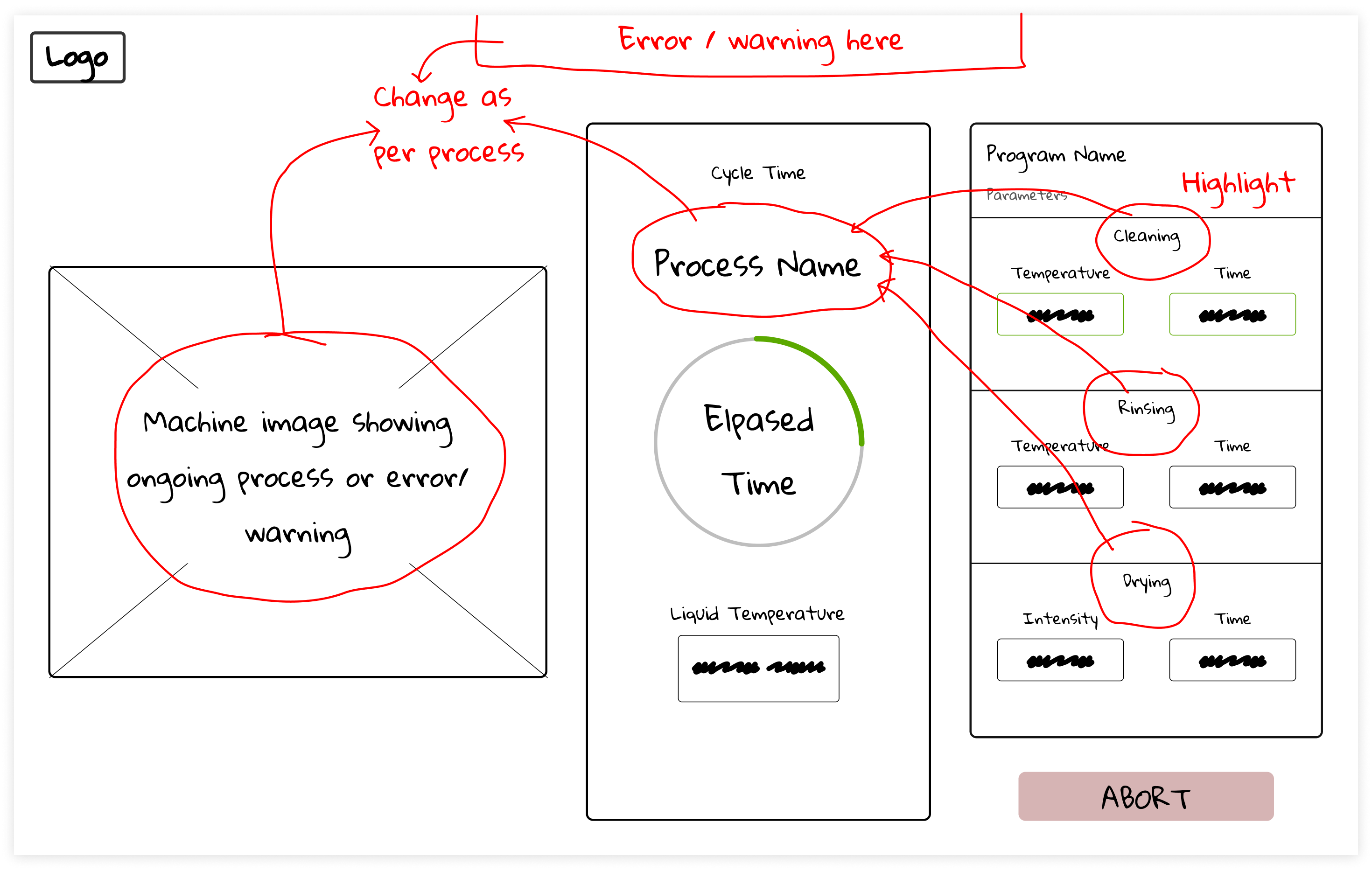
After finalizing the high-level solution, we began by creating a sitemap for the HMI. This process provided us with an overview of the entire HMI structure, as well as all of the functionalities that were included. By doing so, we were able to gain visibility into the project and ensure that we were on the right track.
Wireframing.
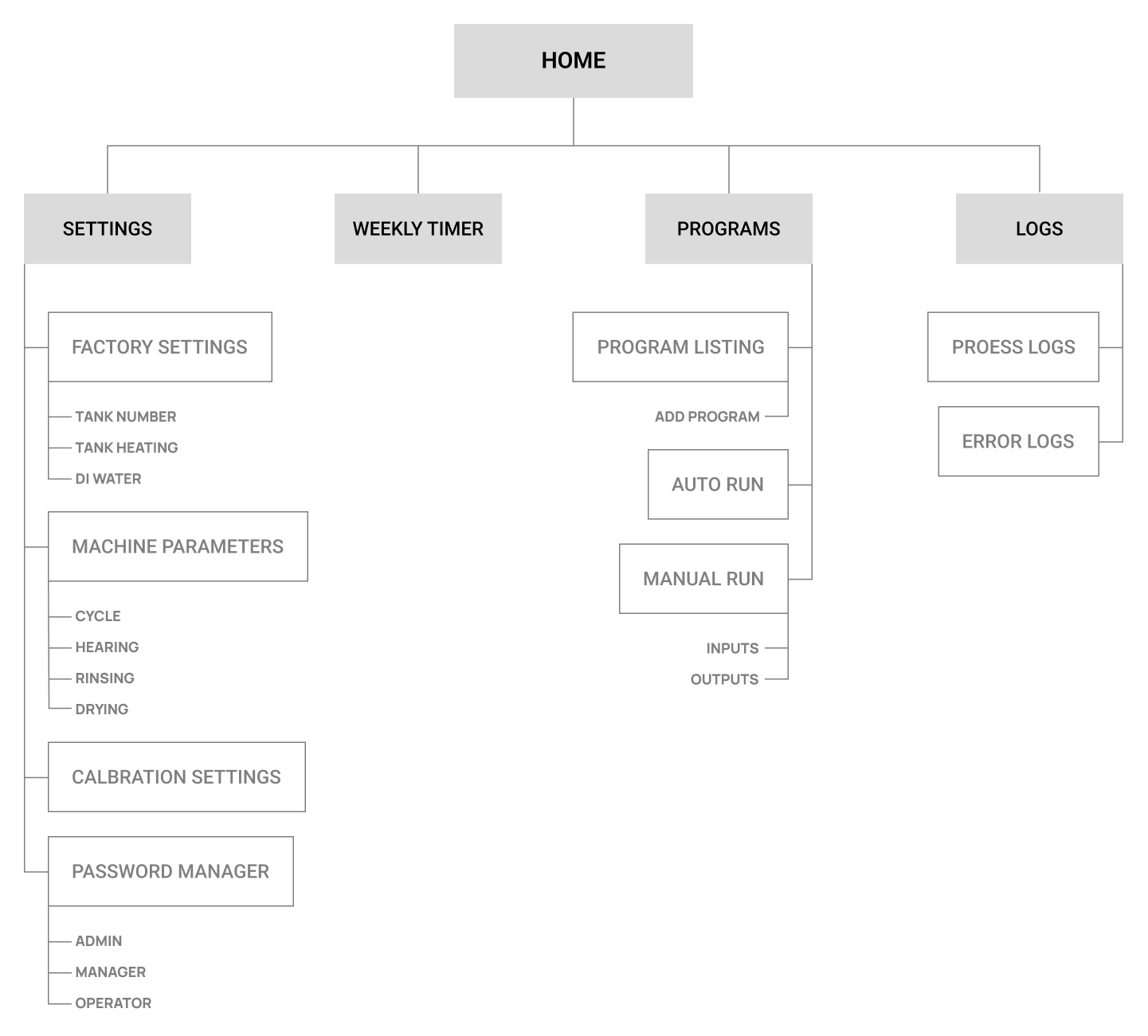
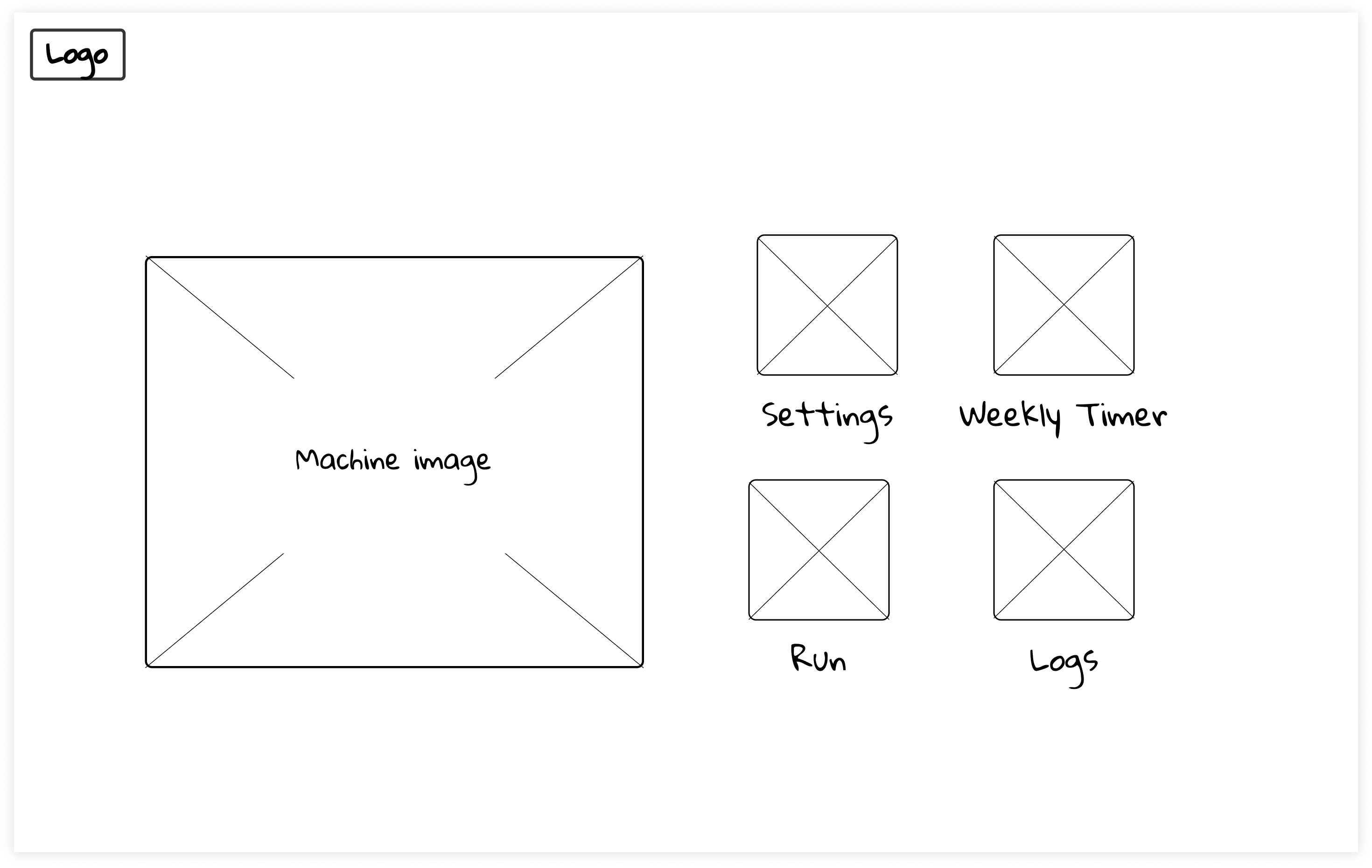
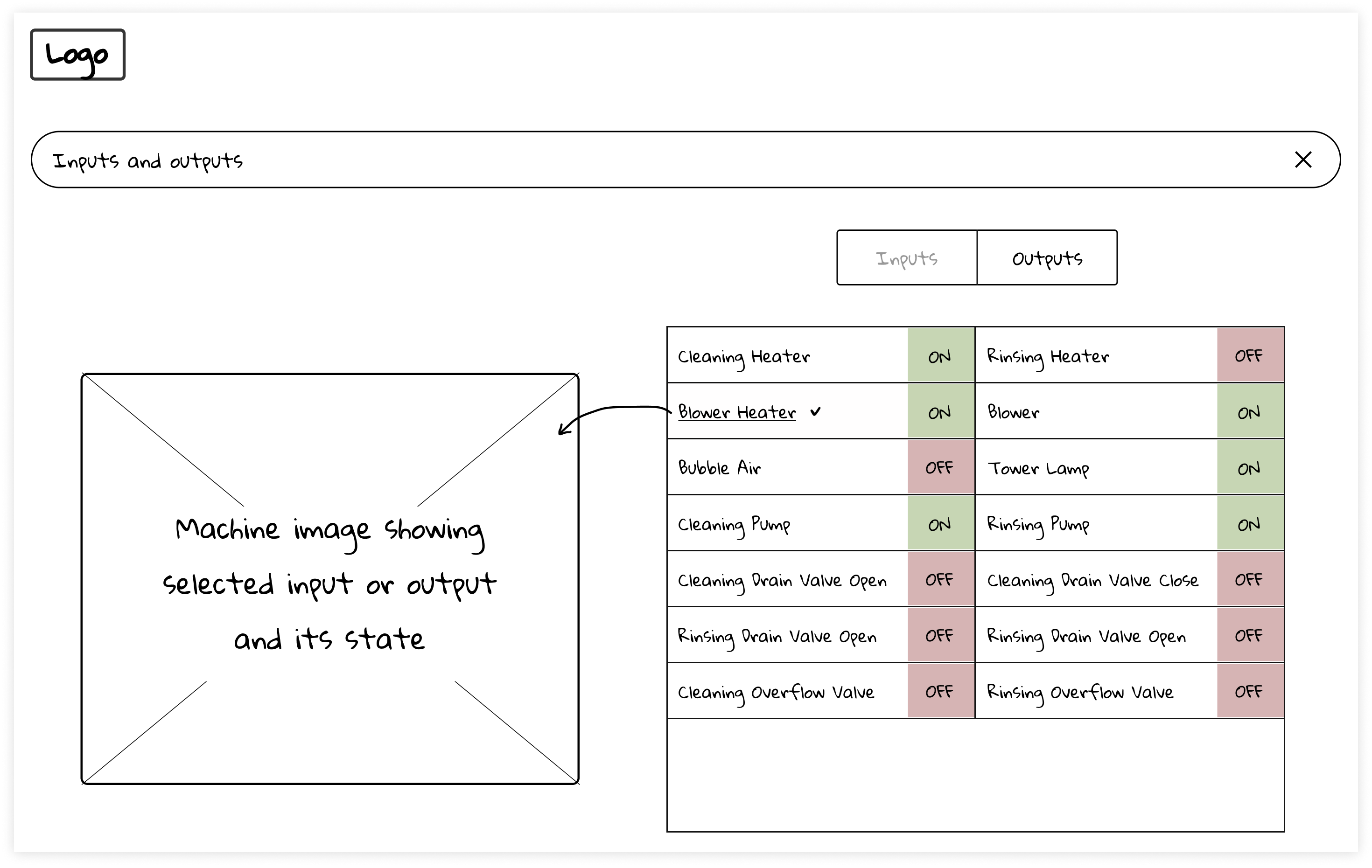
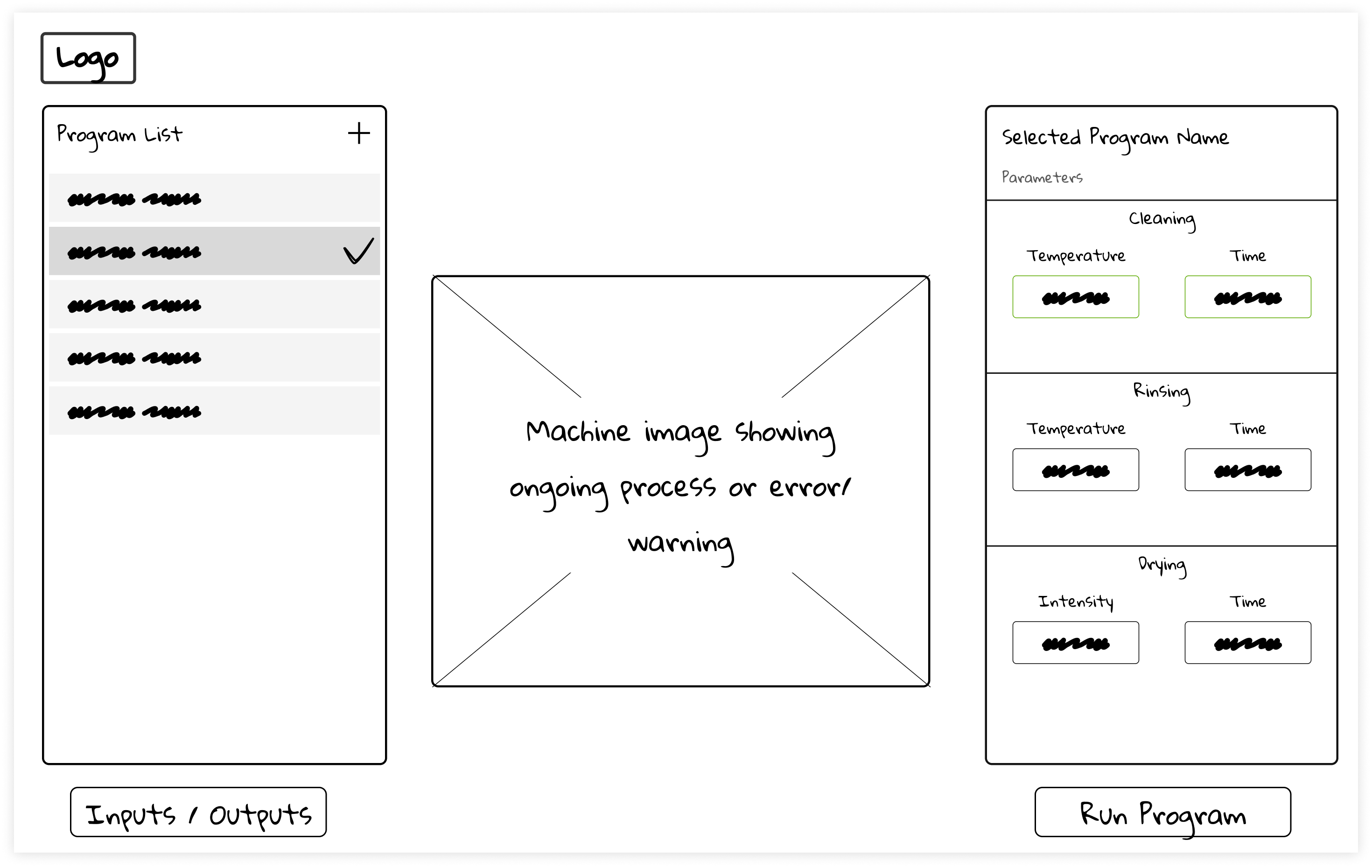
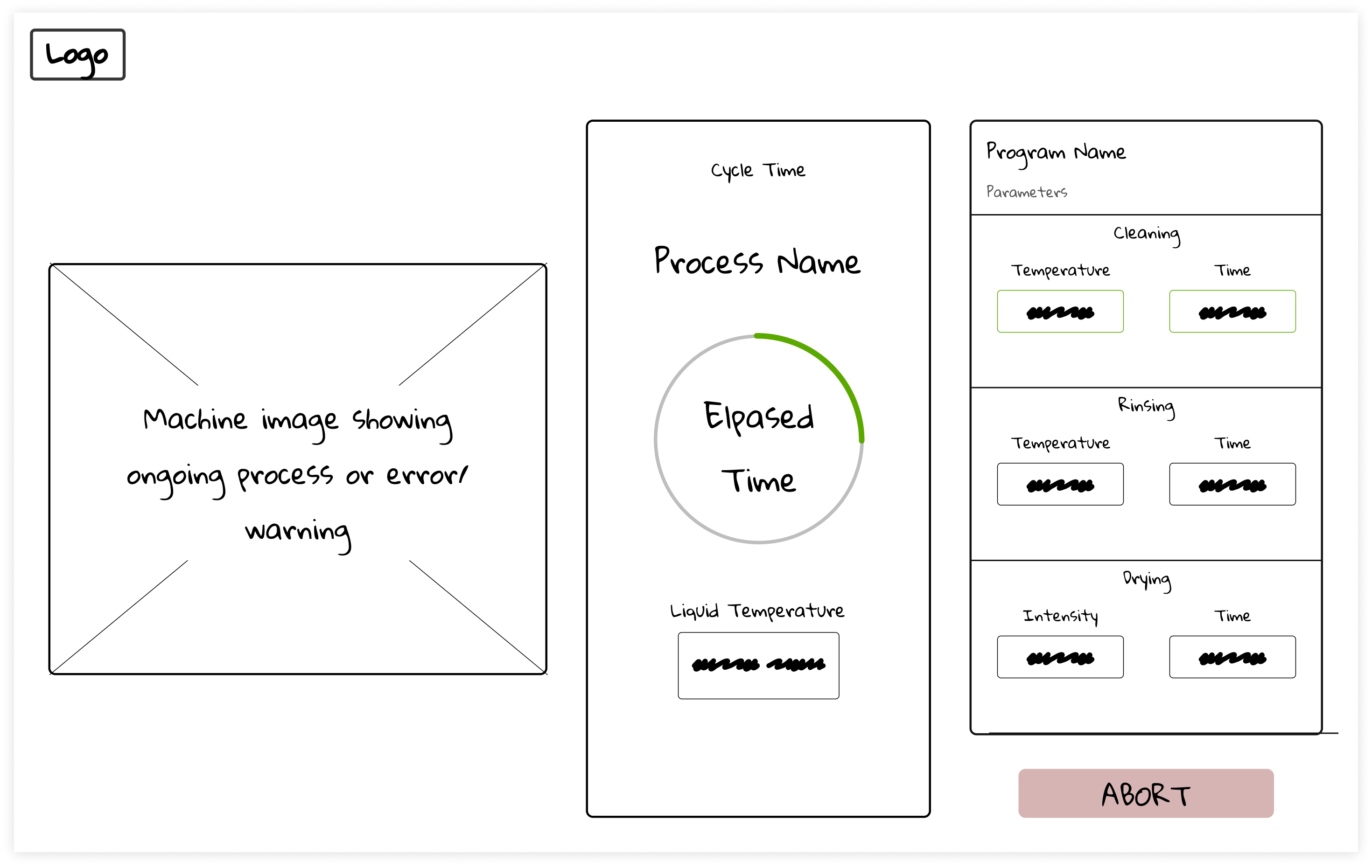
Once the core points for the MVP were finalized, the team moved on to creating wireframes.
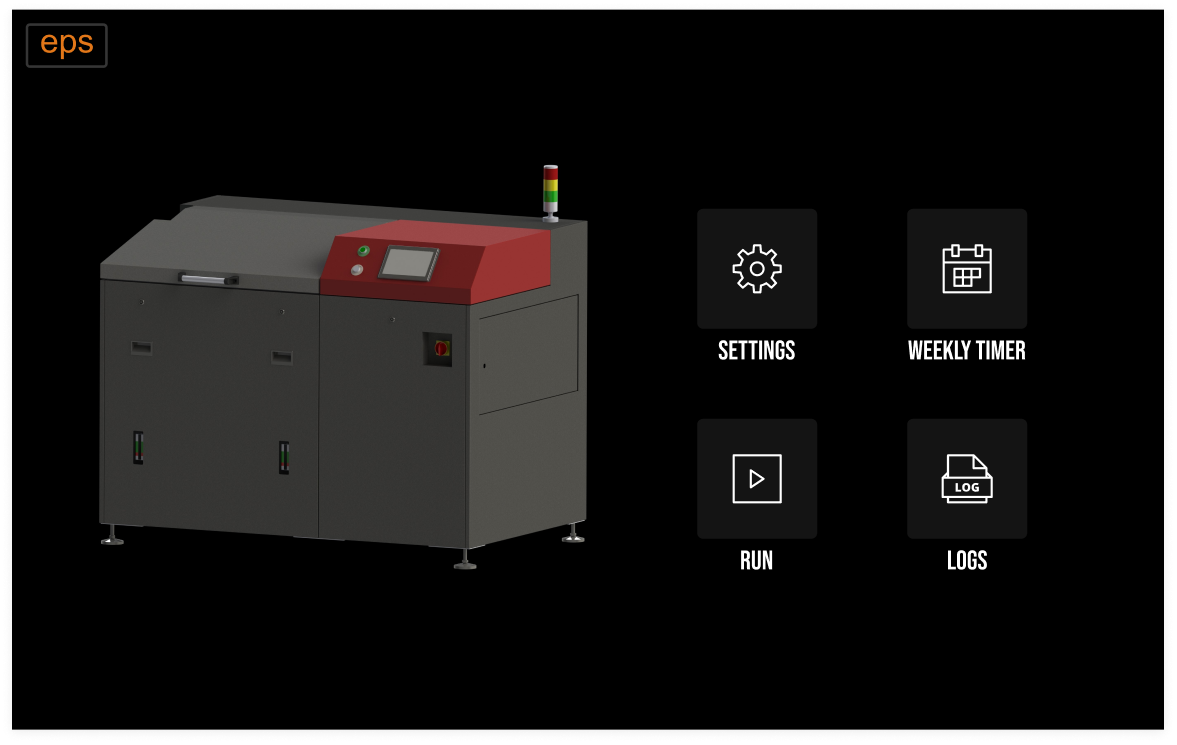
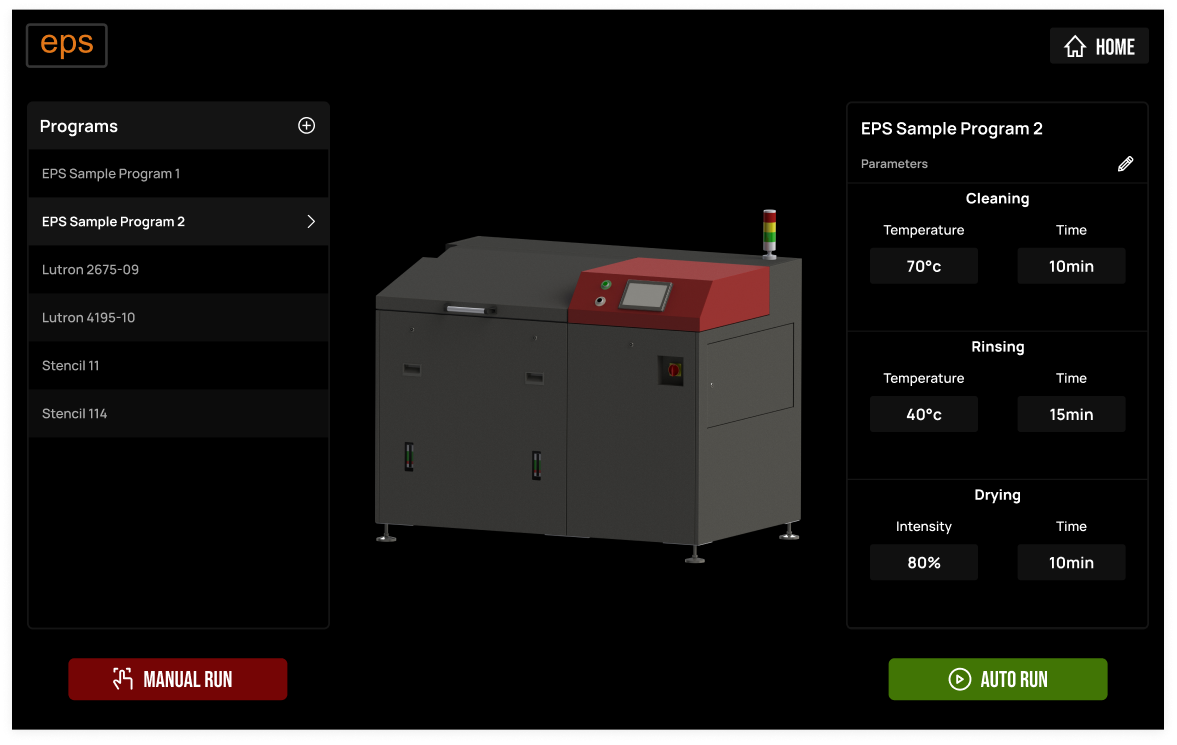
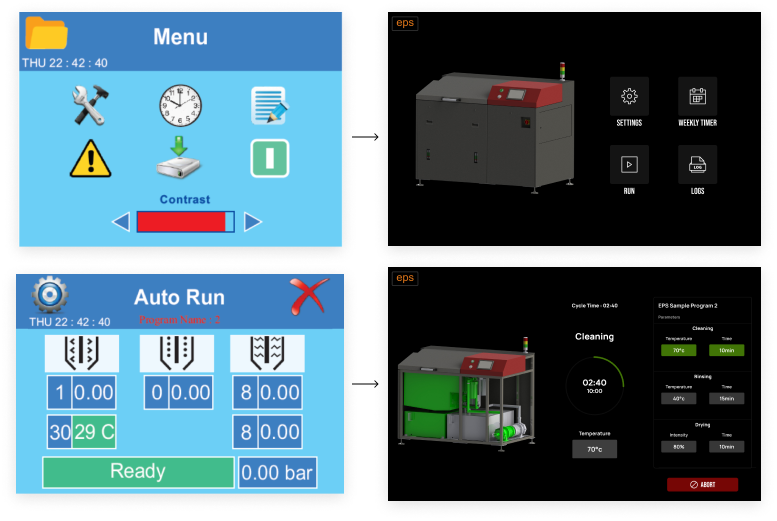
The central idea behind the UI design was to prominently feature machine illustration front and center in order to make the interface intuitive and to keep operator updated on the ongoing process.
Wireframe Samples.
Mockups.
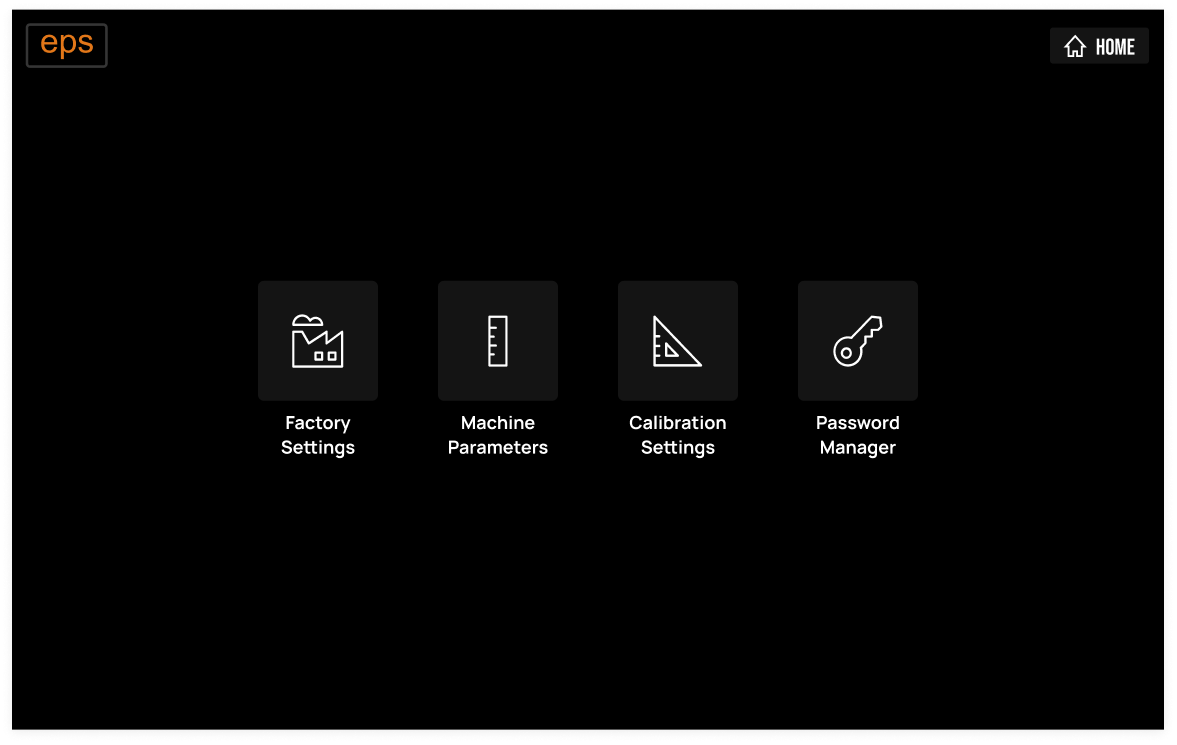
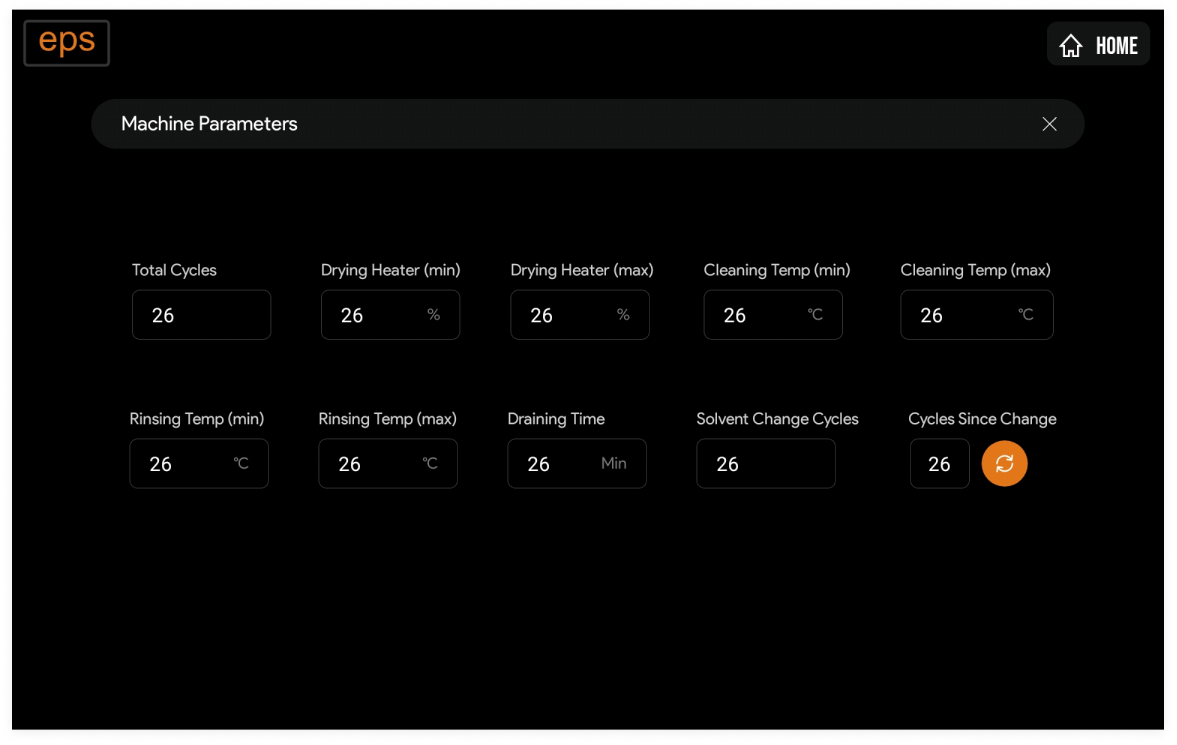
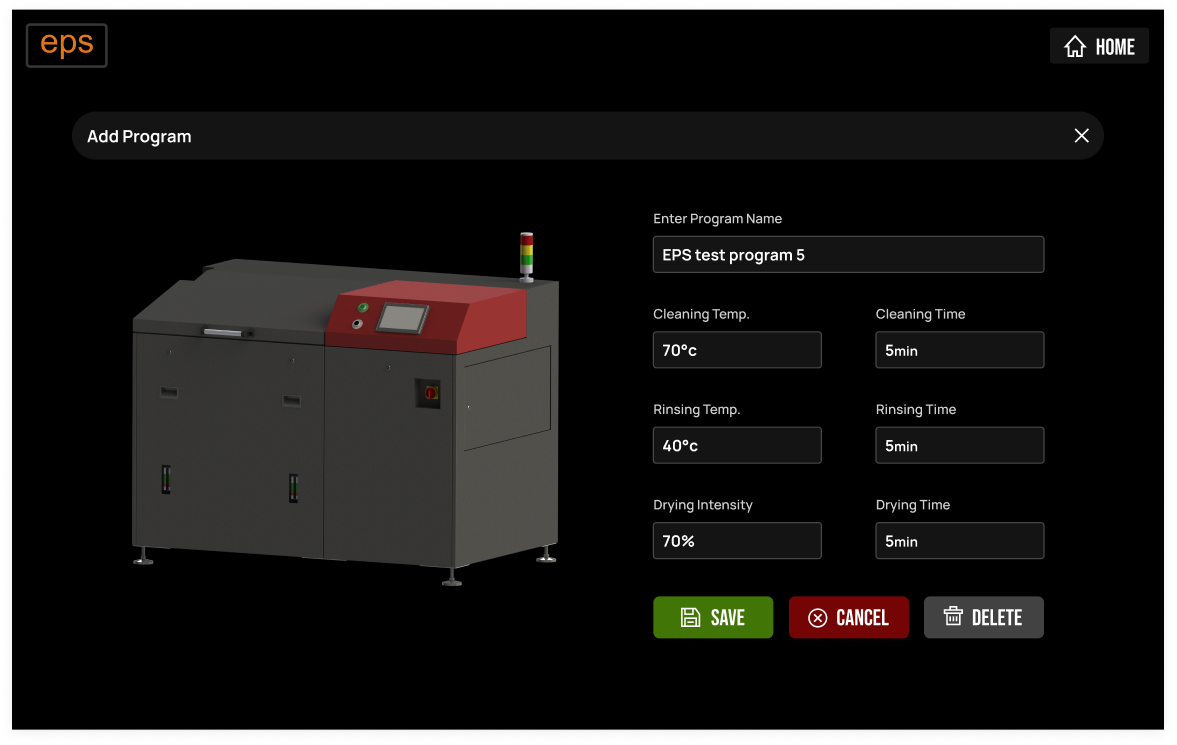
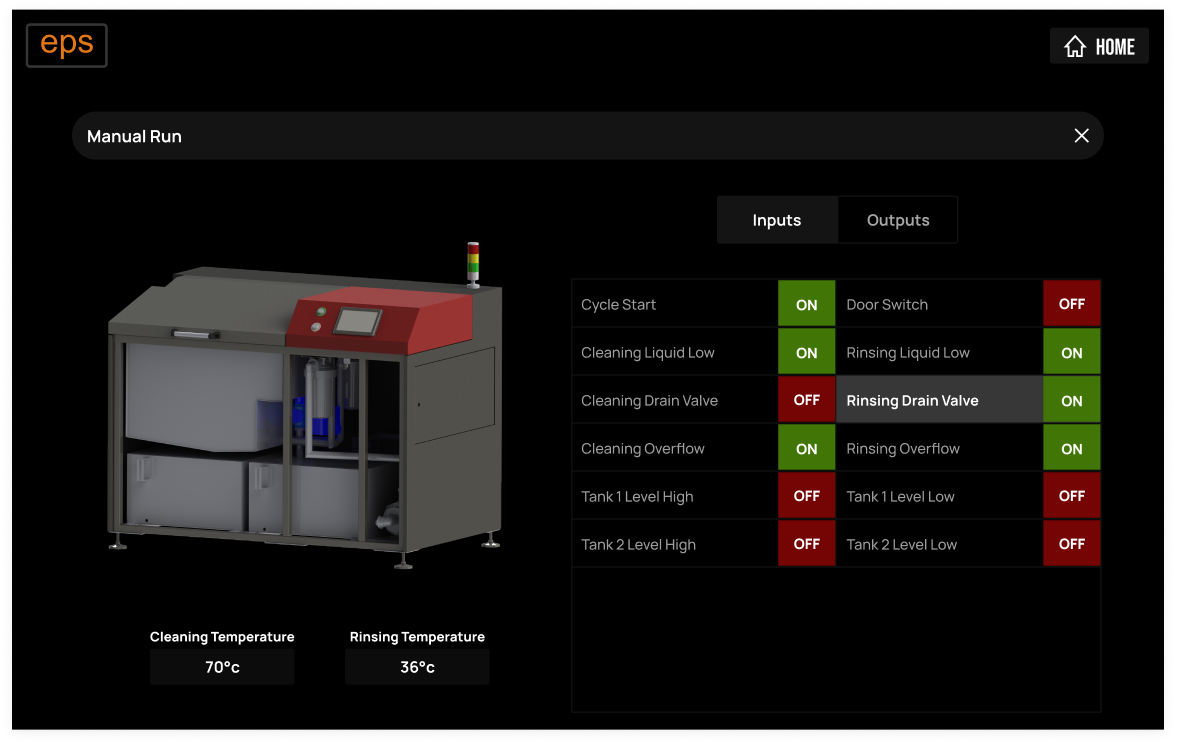
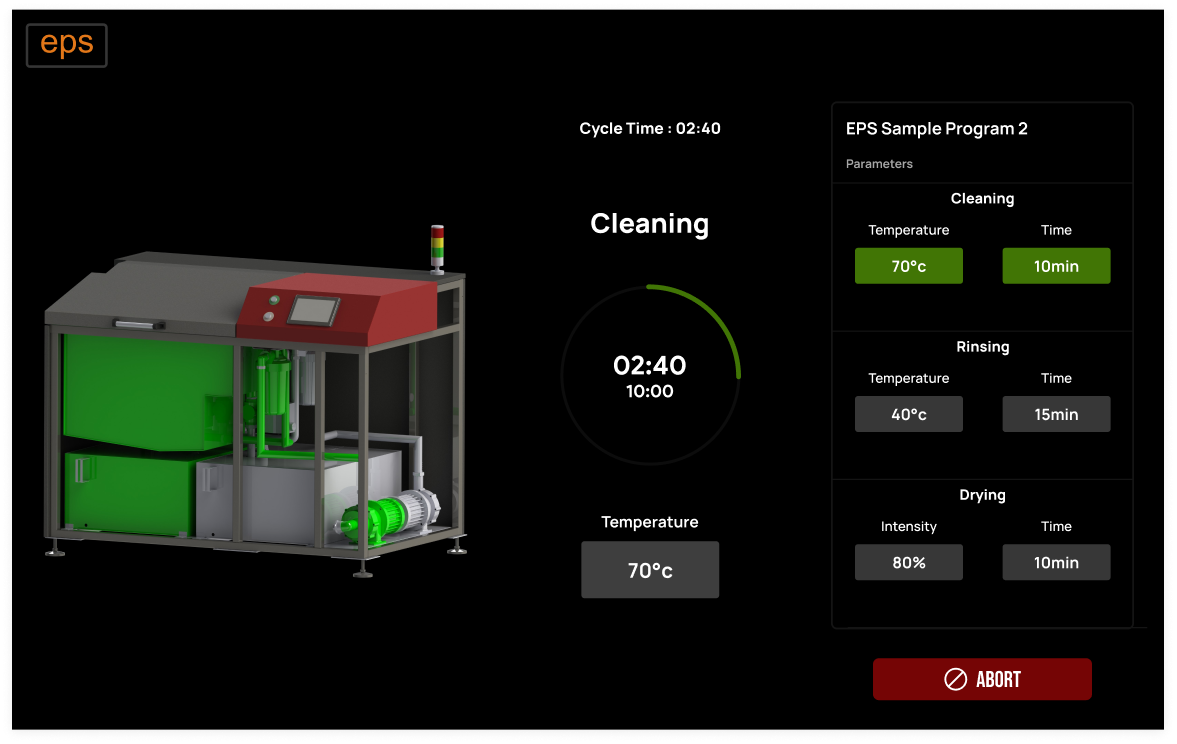
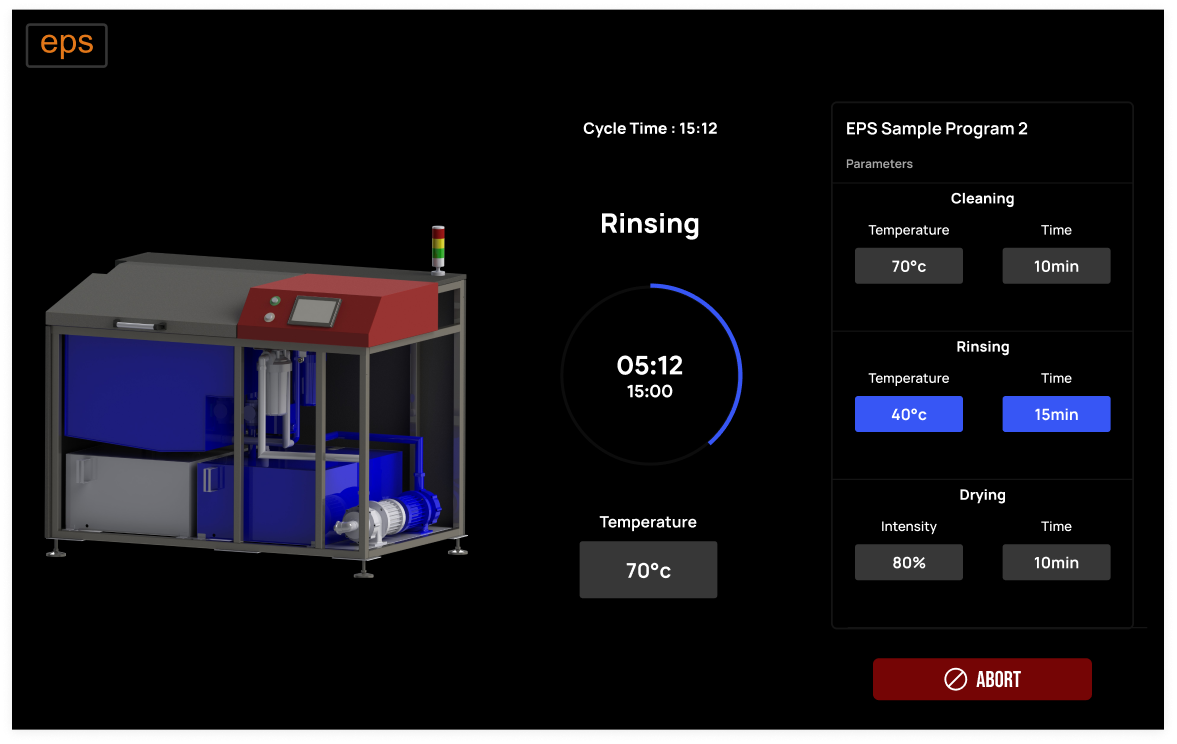
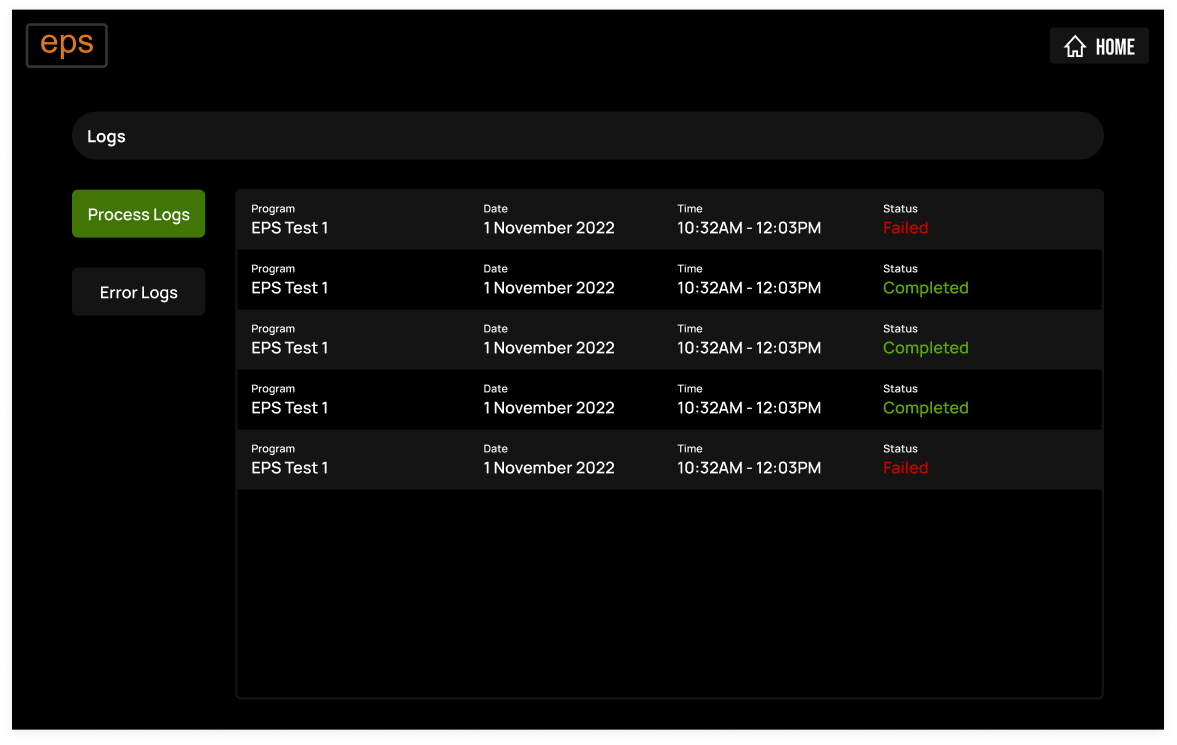
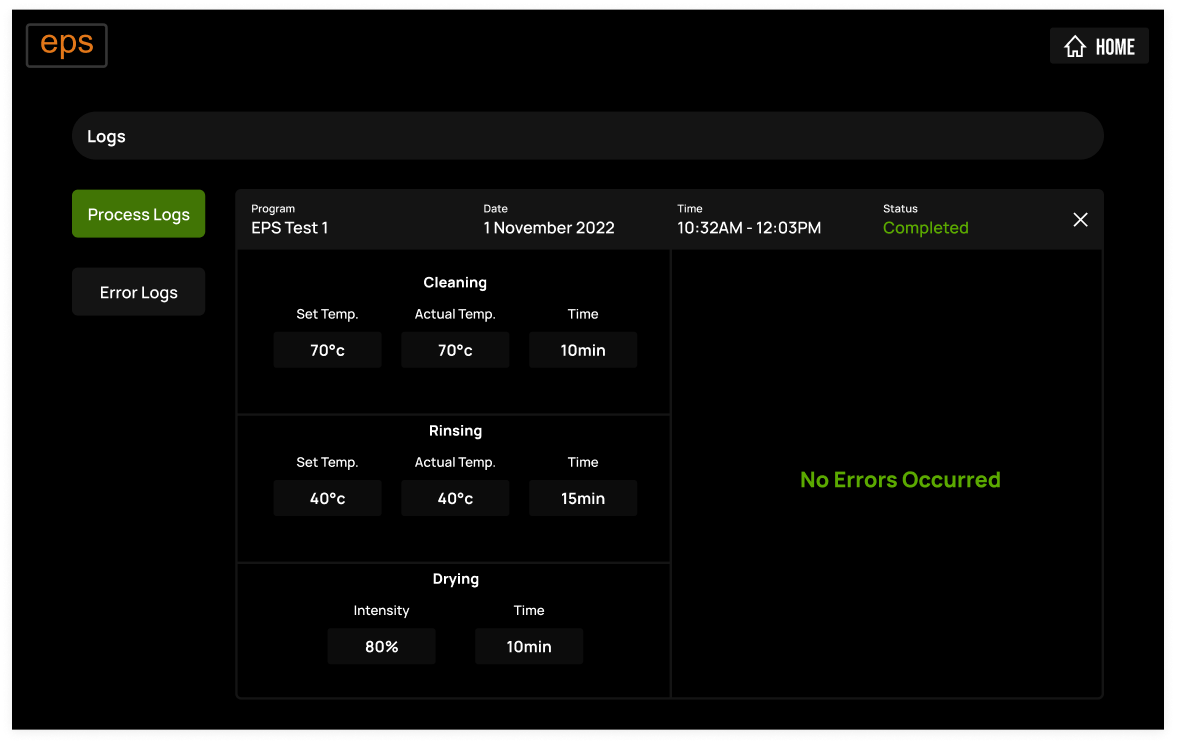
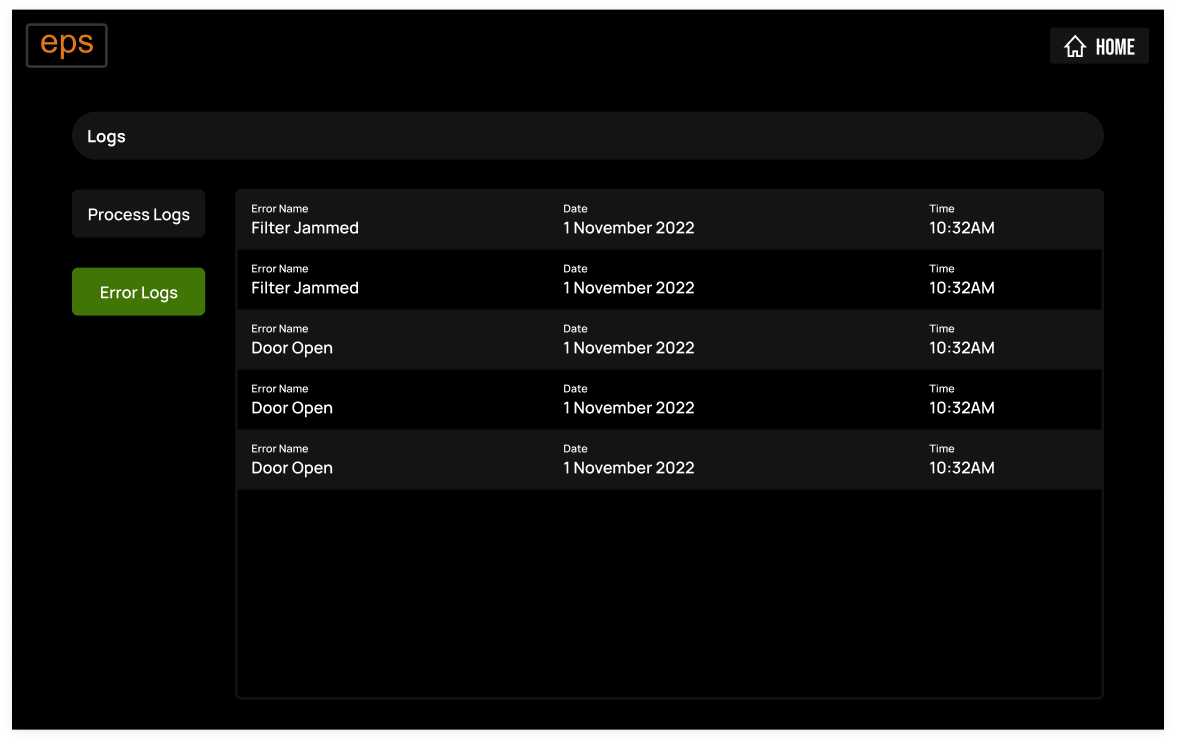
After four iterations of mockup drawings, we finalized them, and the team progressed to designing high-fidelity mockups.
This next phase of the design process allowed us to refine our ideas and ensure that the final product would meet the needs and expectations of our stakeholders.
Mockup Samples.
Old to New comparison.
Current Status.
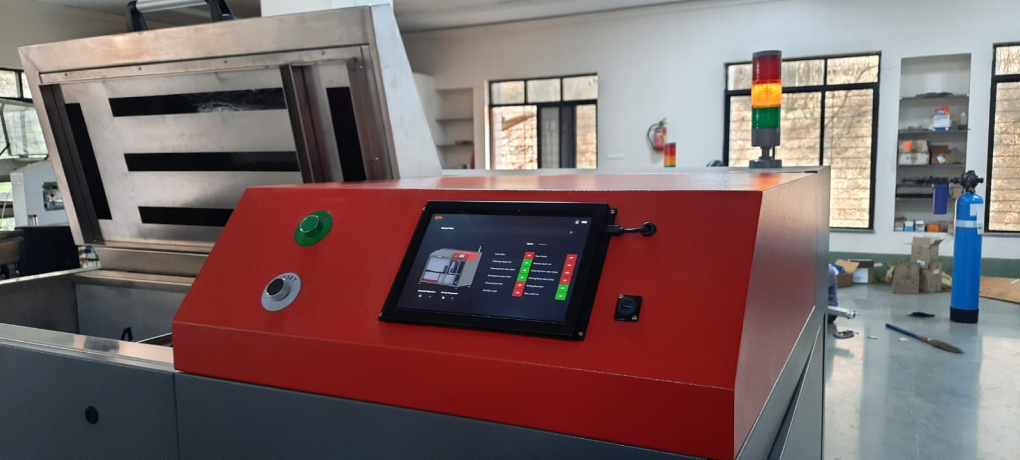
The redesigned HMI has been widely adopted by over 100 factories in 13 countries, including prominent clients such as -

Check Other Work

Re-designing human-machine interface for air agitation cleaning machine which is used in Electronics industry for stencil and pallet cleaning.
Scope
Design and Development of Android based human-machine interface
Team Size
3
Role
Team Leader (HMI design and development)
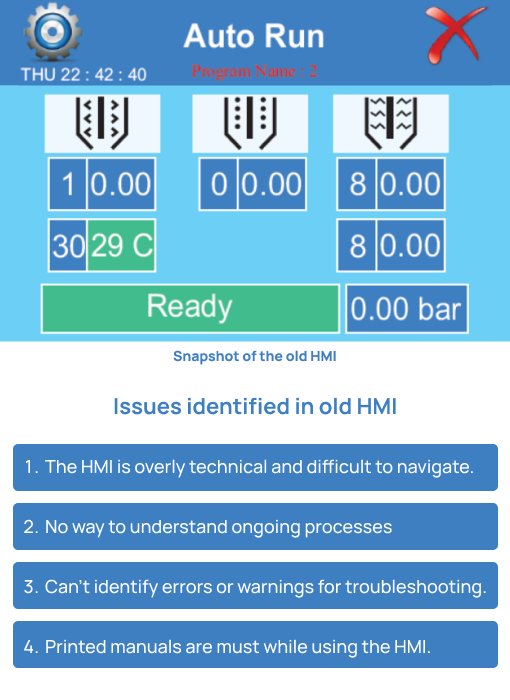
Problem.
The touch screen HMI was antiquated and difficult to use, resulting in numerous complaints from clients about its inefficient design and operation.
To address the issues related to the outdated human-machine interface (HMI), we conducted multiple brainstorming sessions involving all stakeholders. The aim of these sessions was to gain a comprehensive understanding of their grievances and concerns. As a result of these collaborative discussions, we successfully identified several key issues that needed to be addressed.
Solution.
Having thoroughly understood the clients' grievances, we zeroed in on several key ideas to improve the HMI.
1. Instead of using standard HMI units, we decided to use Android tablets due to their high-resolution screens and versatility in UI development.
2. We aimed to simplify the user interface as much as possible to minimize the need for printed manuals during operation.
3. We incorporated pictorial representations of the machine on the UI to make it easier for operators to understand ongoing processes and identify errors or warnings for troubleshooting.
HMI Structure.
After finalizing the high-level solution, we began by creating a sitemap for the HMI. This process provided us with an overview of the entire HMI structure, as well as all of the functionalities that were included. By doing so, we were able to gain visibility into the project and ensure that we were on the right track.
Wireframing.
Once the core points for the MVP were finalized, the team moved on to creating wireframes.
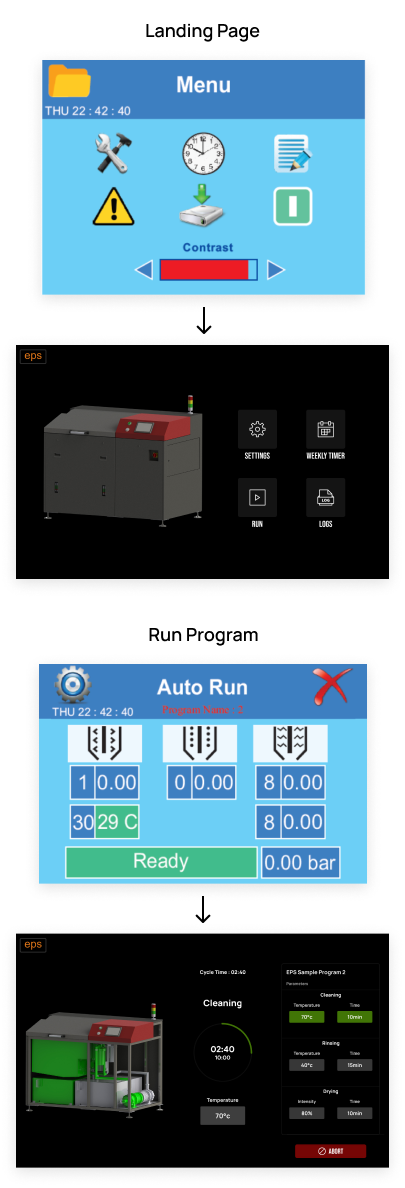
The central idea behind the UI design was to prominently feature machine illustration front and center in order to make the interface intuitive and to keep operator updated on the ongoing process.
Wireframe Samples.
Mockups.
After four iterations of mockup drawings, we finalized them, and the team progressed to designing high-fidelity mockups.
This next phase of the design process allowed us to refine our ideas and ensure that the final product would meet the needs and expectations of our stakeholders.
Mockup Samples.
Old to New comparison.
Current Status.
The redesigned HMI has been widely adopted by over 100 factories in 13 countries, including prominent clients such as -

Check Other Work